A beautiful garden to relax in can be a place to treasure, but the reality is that maintaining an outdoor space can be very time consuming. While gardening is a pleasurable activity for many people, if you are busy juggling a job, a family, and other interests, then weeding and mowing the lawn can take a back seat.
Garden is a very physical activity, and it can be burdensome for people with arthritis or other health problems or injuries. However, it is possible to take the hard work out of gardening, and create a low-maintenance outdoor space that is both aesthetically pleasing and practical. Here are a few tips.
Get rid of the lawn
Lawns require a lot of maintenance to keep them looking nice, with a weekly mow in summer and regular weeding and feeding. Even with careful care, they can still be prone to developing bare patches or becoming waterlogged during wet weather. If your lawn is small, it can be easier to remove it altogether.
The area can be paved, gravelled, or decked to provide a space for sitting out and a surface for pots and containers. If you have room, leave a border around the edge where you can grow some no-fuss plants such as hardy shrubs and groundcover.
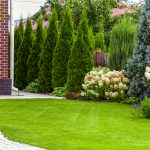
If you still crave some green space, or you have young children who like to play in the garden, you could consider having artificial grass. This is made from a blend of synthetic fibres that look very realistic.
They are available in different degrees of toughness and durability depending on the intended usage. In areas with heavy foot traffic or where children will be playing ball games, go for a hard wearing nylon fibre.
If the lawn will mainly be for ornamental purposes, then a polypropylene plastic fibre will be a suitable material that can cope with light foot traffic. Fake grass is available in different shades, densities, and lengths, and which one you choose is really just a matter of personal preference.
Some colours are a mixture of tightly packed green and brown shades for a more realistic effect, for example. You can always order a few samples so that you can test out the colour in natural daylight, and decide whether you prefer the freshly mown look of a bowling green, or a slightly longer and more naturalistic length.
Install a few large containers
To avoid having a lot of fussy pots, containers, and hanging baskets to maintain, have a few larger pots or raised planters. Larger pots dry out less easily, so they can withstand a certain amount of neglect during drier weather. Choose hardy evergreen varieties of shrubs and plants that will look good all year round and require very little pruning or feeding.
For example, heathers, Japanese laurel, azaleas, and camellias all make attractive container plants that are very easy to grow and care for.
Cover up bare soil with mulch
If you have beds and borders, cover up the bare soil in between plants with a mulching material such as bark chippings or gravel. This will keep weeds under control and help the soil to retain moisture, meaning that the plants will need less watering.
Learn to be less fussy
Taking the perfectionist approach to your garden can lead to a never-ending list of chores that takes most of the joy out of it. If you can, learn to be more relaxed about a few weeds or longer grass. This is more beneficial for nature, as birds and insects will have more access to shelter and breeding and feeding grounds.
Embrace the country cottage garden trend and sow some wildflower seeds in borders, and add in easy to grow plants such as lavender and mint. Add some native perennials that will return year after year. Pick flowering varieties that will attract pollinators and also add a splash of colour to your garden.
For example, primroses will produce delicate pale yellow flowers from late winter onwards and have year-round green foliage. Hellebore is another early flowering native perennial that has long tapered glossy dark green leaves through the winter months. Golden shield ferns will tolerate most conditions and provide plenty of shade and shelter for wildlife.
Define the edges of your lawn
If you want to keep your lawn, but want to make it easier to mow, create a defined border with pavers or bricks. This means that you don’t have to trim the edges.
Looking for artificial turf in Lancashire? Please get in touch with us today.