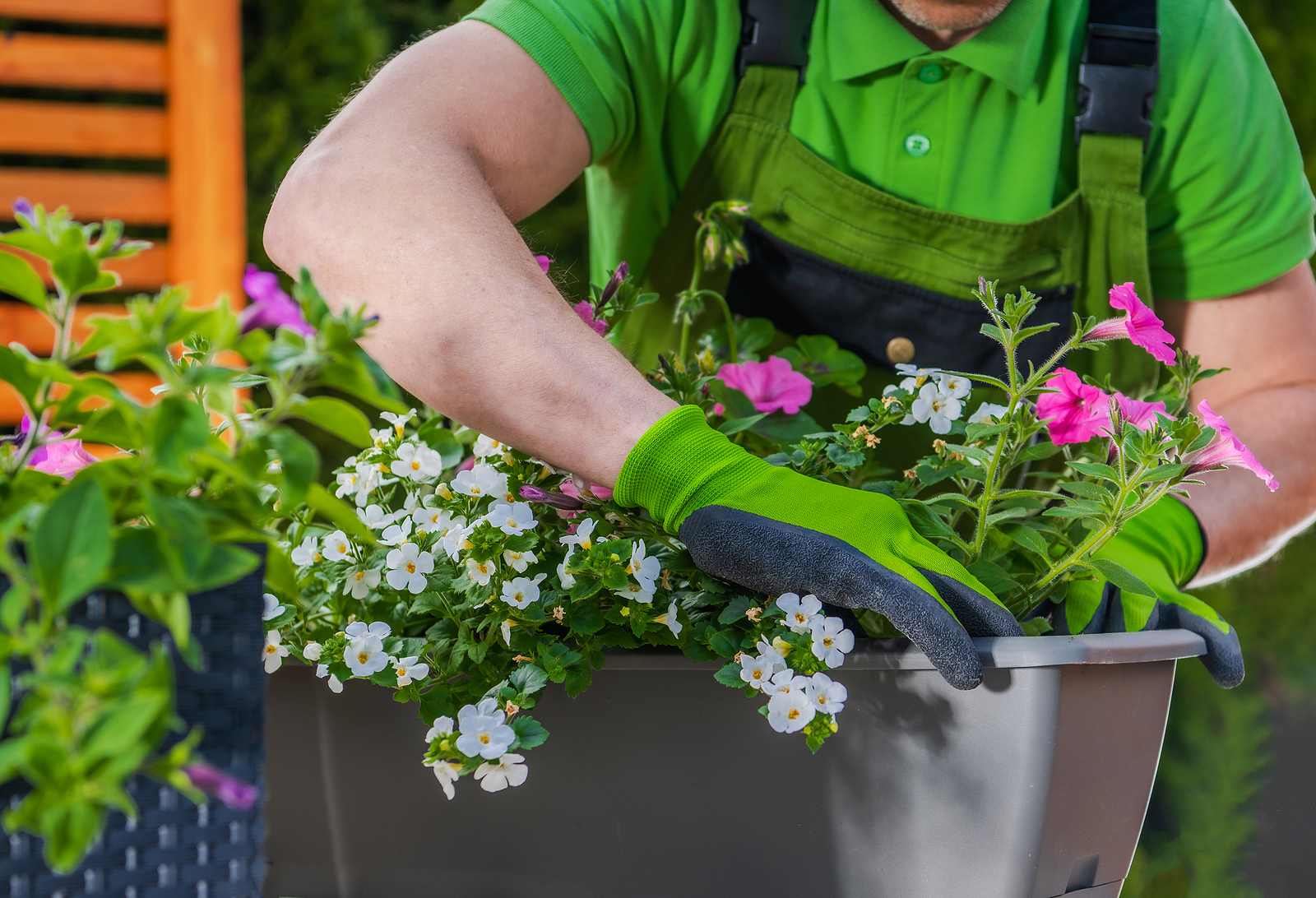
Hay fever sufferers have had a pretty difficult time this summer, which is especially bad news for those of us who love to get out in the garden. The unpleasant symptoms of sneezing, itchy and watery eyes, and a constantly running nose can be anything from irritating to completely debilitating.
The NHS reports that visits to its website advice page for hay fever have more than tripled over the past few months. Hay fever is at its worst when the pollen count is high, usually between the months of March and September. It’s generally made worse by warm and windy conditions or when humidity levels are high.
Robert Cleary, NHS England’s Content Director for the NHS website, said: “Many of us experience hay fever symptoms at this time of year and the nhs.uk hay fever advice page provides the latest medical advice to manage your symptoms, as well as giving guidance on when to get support from NHS services.”
The consistent good weather during May and June is thought to have contributed to the problem. According to a report in The Guardian, global warming caused by climate change could lead to a permanently higher pollen count in the UK.
A Met Office spokesperson said: “There’s a growing scientific consensus that climate change will impact the pollen season in the UK. It could result in longer pollen seasons.” The NHS advises that hayfever sufferers should stay indoors and keep all doors and windows closed during peak times.
However, this is rather drastic and not really practical or desirable for the majority of us. It presents an even worse dilemma for those of us to love to be outdoors in our gardens. The trend for rewilding and leaving lawns unmown is undoubtedly brilliant news for wildlife, but it can make life even more difficult for hay fever sufferers.
One solution may be to replace your lawn with artificial grass. This will reduce not only grass pollen but the other flowers and weeds that tend to grow in lawns. Fake grass is very low-maintenance and requires no more than a quick rake to remove leaves and other debris every now and then.
Alternatively, you could replace your lawn with paving, a patio, or gravelled areas. This will allow you to have a pollen-free area to sit and enjoy the outdoors all year round. Paved areas can be brightened up by some low-pollen potted plants such as roses and pansies.
Adding in some shelter, such as a pergola or gazebo will help you to be sheltered from the worst of the pollen. If gardening is unavoidable, consider taking antihistamines and wearing a mask to reduce your pollen exposure. Wearing hats, sunglasses and gloves will all help to minimise your contact with pollen as well.
Gardening early in the morning or late at night will help you avoid the peak pollen times. Enlist the help of family and friends if you are very badly affected and the garden is in need of some TLC, or alternatively you could consider hiring a professional gardener.
Looking for paving in Lancashire? Please get in touch with us today.