As more of the UK’s natural habitats are destroyed every year, native wildlife can have a tough time surviving the winter. There are fewer areas for them to hibernate during the colder months, and their natural food sources are becoming depleted. However, there are plenty of things you can do to help mammals, invertebrates, and birds survive the winter.
Feed the birds
Birds will benefit from a regular supply of suitable food in your garden, to help them maintain a good body weight and keep warm. It is best to feed them every day, or even twice a day if possible, because otherwise they will waste precious energy looking for food in your garden when there is none available.
There is no need to buy special bird food if you don’t want to, as most birds will eat kitchen leftovers including cooked rice, dried fruit, pastry, breadcrumbs, chopped up bacon rinds, cooked potatoes, mild grated cheese, bruised fruit, fat, and suet. However, do not feed them salted nuts, because their bodies cannot process salt and it might kill them.
If you do use commercial seed and nut mixes, place them in a steel mesh feeder with gaps of at least 6mm, rather than leaving them in nylon nets. This is to prevent birds getting their beaks, feet, or tongues trapped in the mesh. Feeders will attract smaller birds such as finches, tits, and nuthatches.
To attract larger birds such as jackdaws, magpies, and crows, to your garden, place whole peanuts in shells on bird tables, and fat blocks on cages or shells with holes drilled into them. Birds also appreciate fresh water to drink and bathe in during the wintertime, so you could install a bird bath, or even an upturned bin lid.
When placing bird feeders and tables, make sure that they are within two metres of a fence or tree, so that they can escape easily from predators. You will want the food source to be visible from your house so that you can enjoy watching the birds from your window, but not so near that they will be disturbed, or fly into glazing.
Create hibernation stacks
Build up a loose pile of garden clippings in a quiet sheltered corner of the garden, and cover it lightly with soil. This will give a place for insects and amphibians to hibernate over the winter months.
Avoid excessive pruning
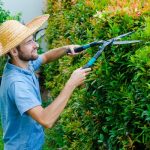
Certain plants provide good sources of food and shelter for insects and birds over the winter. For example, ivy flowers late in the season to give a source of nectar and pollen when most flowers have died off. Ivy also produces berries which are eaten for birds, and insect species will take shelter in the leaves.
Plant lots of spring bulbs
Planting bulbs for early spring flowers will mean that insects such as bumblebees will have a go-to nectar source as soon as winter in over. Crocuses are especially good, and provide a welcome splash of spring colour to your garden as well.
If you are looking for building in Lancashire, please visit our website today.