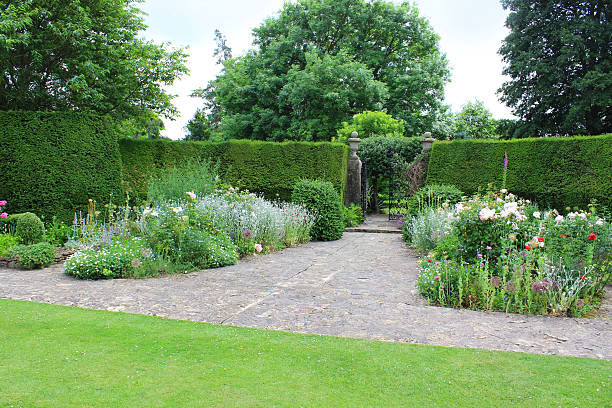
It is shaping up to be a long hot summer in the UK, with high temperatures and low rainfall. This means that some areas are already facing a hosepipe ban, which is bad news for gardeners. As global warming continues, we are likely to experience more frequent heatwaves and dry summers than in the past.
This has led to an increased interest in creating drought tolerant gardens that can survive with low water levels. Here are some tips to help you create a thriving garden with lower watering requirements.
Improve the quality of the soil
The RHS advises that cultivating your soil to improve the structure will help it to retain more water. Dig in organic matter such as rotted farmyard manure, garden compost, and composted bark. Add a small amount of fertiliser to help plants make the most effective use of water, but be careful not to overdo it and encourage unwanted growth.
Choose plants that are suited to the soil type
Carry out a test to find out what soil type you have, such as alkaline or acidic, and use this as a guide for choosing the most suitable plants. This means that you are more likely to have plants that are well adapted to the local climate and they will be less prone to diseases and pests.
Plant Mediterranean species
Plants that have adapted to the hot Mediterranean climate are well suited to coping with even the hottest of UK summers. For a splash of colour, gardening expert Sarah Raven recommends Levandula ‘Hidcote’, which is heat and drought resistant. It produces vibrant purple-blue flowers that will attract wildlife to your garden.
Ms Raven also recommends Pelargonium for bright pink flowers that look fabulous in tubs and baskets. They do not require large quantities of water, although they should not be allowed to dry out completely. Plants with silver foliage such as Cineraria and Jack Frost do well in hot conditions because they reflect the sun and this helps them retain moisture.
For sunny borders with free-draining soil, she recommends Eryngium ‘Picos Blue’, although the purple spiked leaves can be sharp so they are not ideal if you have small children. For pots or borders, Raven also recommends Limonium ‘Dazzle Rocks’ and Salvia ‘Cardonna.’
When planting species from warmer climates, it is best to do so in the spring and summer when the soil is warmer to give them the greatest chance of survival. It is also good practice to plant young species, because this will give them time to acclimatise and adapt to the available nutrients and water supply.
Consider replacing the lawn
Lawns can suffer badly during hot dry summers, turning brown and developing unsightly bare patches. If you do not want the trouble of a high maintenance lawn, then you could consider replacing it with a gravel garden or even synthetic grass.
If you are looking for artificial turf in Lancashire, please get in touch with us today.