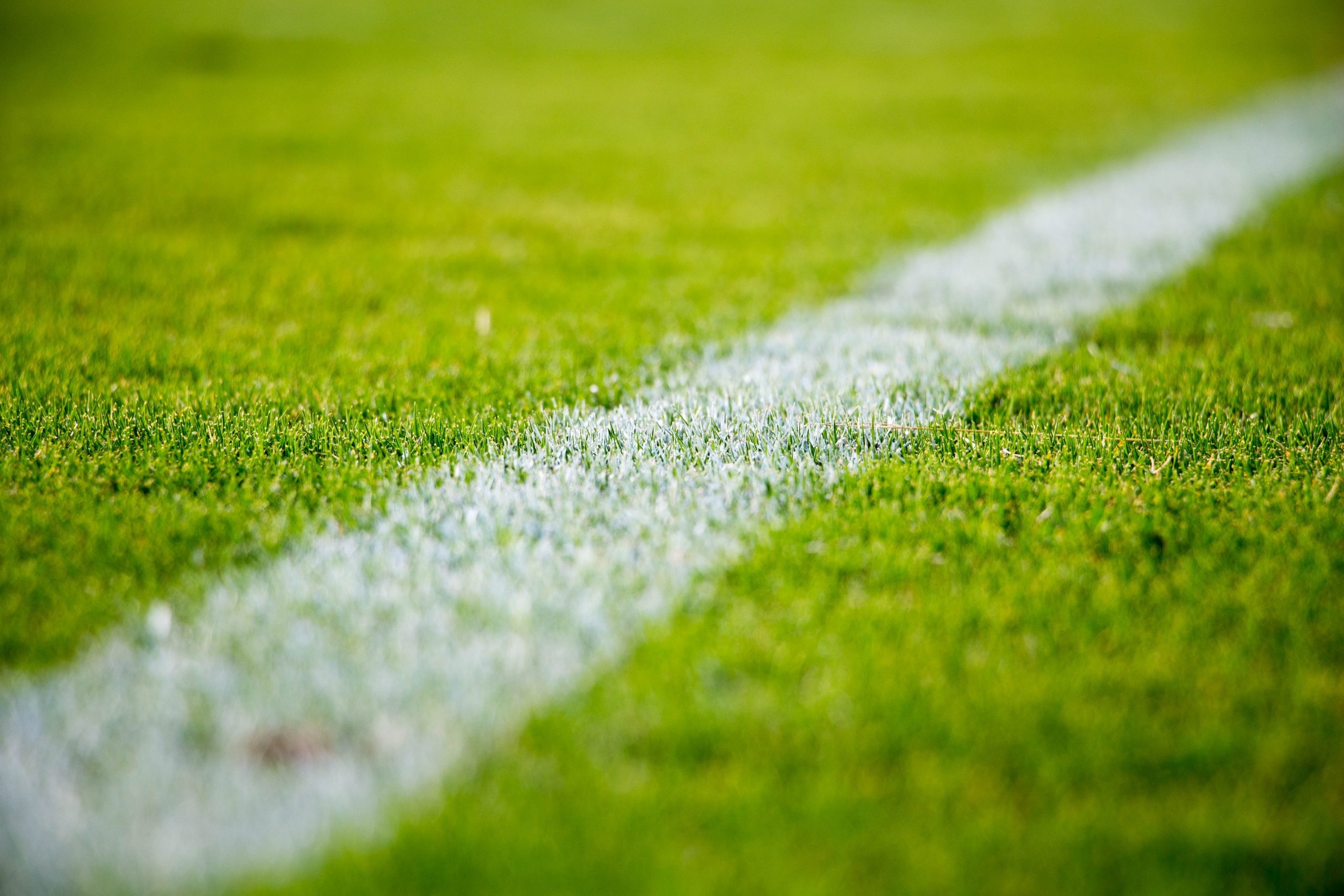
Artificial grass solutions are an ideal way to create an aesthetically pleasing low-maintenance garden, as well as an even field for sports and recreational events that is not vulnerable to variable weather.
For example, one of the biggest uses for artificial turf in Lancashire is to get around waterlogging and other issues found with low-quality soil and intense rain.
However, in the mid-1960s, the first successful brand of artificial turf was created to solve the opposite problem; how do you have grass in a dome in the middle of the desert?
The Houston Astrodome was the world’s first multi-purpose domed stadium, primarily designed to hold the Houston Astros Major League Baseball team as a condition for the city getting the team.
Inspired by the velarium awnings used in Roman Colosseums, the Astrodome was covered with lucite panels that alongside the air conditioning helped to keep the crowd cool and the baseball pitches free from variable wind conditions, but there was a serious issue with it.
The plastic panels quickly needed to be painted over to stop the glare that was stopping players from seeing baseballs in play, but by doing this, the natural grass initially laid on the baseball field stopped growing, leading to the ignoble sight of dirt painted green by the summer of 1965.
The solution, partially installed in 1966, was to replace the grass with ChemGrass, an artificial grass product made by Monsanto, which managed to fix the issue with the grass and create a renaissance in artificial pitches that lasted several decades and generations of turf.
The AstroDome itself inspired the new name of the artificial grass, and to this day artificial laws are sometimes known as AstroTurf.
The Dome itself would be the home of the Houston Astros until 1999 when they would move to the somewhat unfortunately named Enron Field, a year before the company would be involved in the largest corporate fraud in history up to that point.