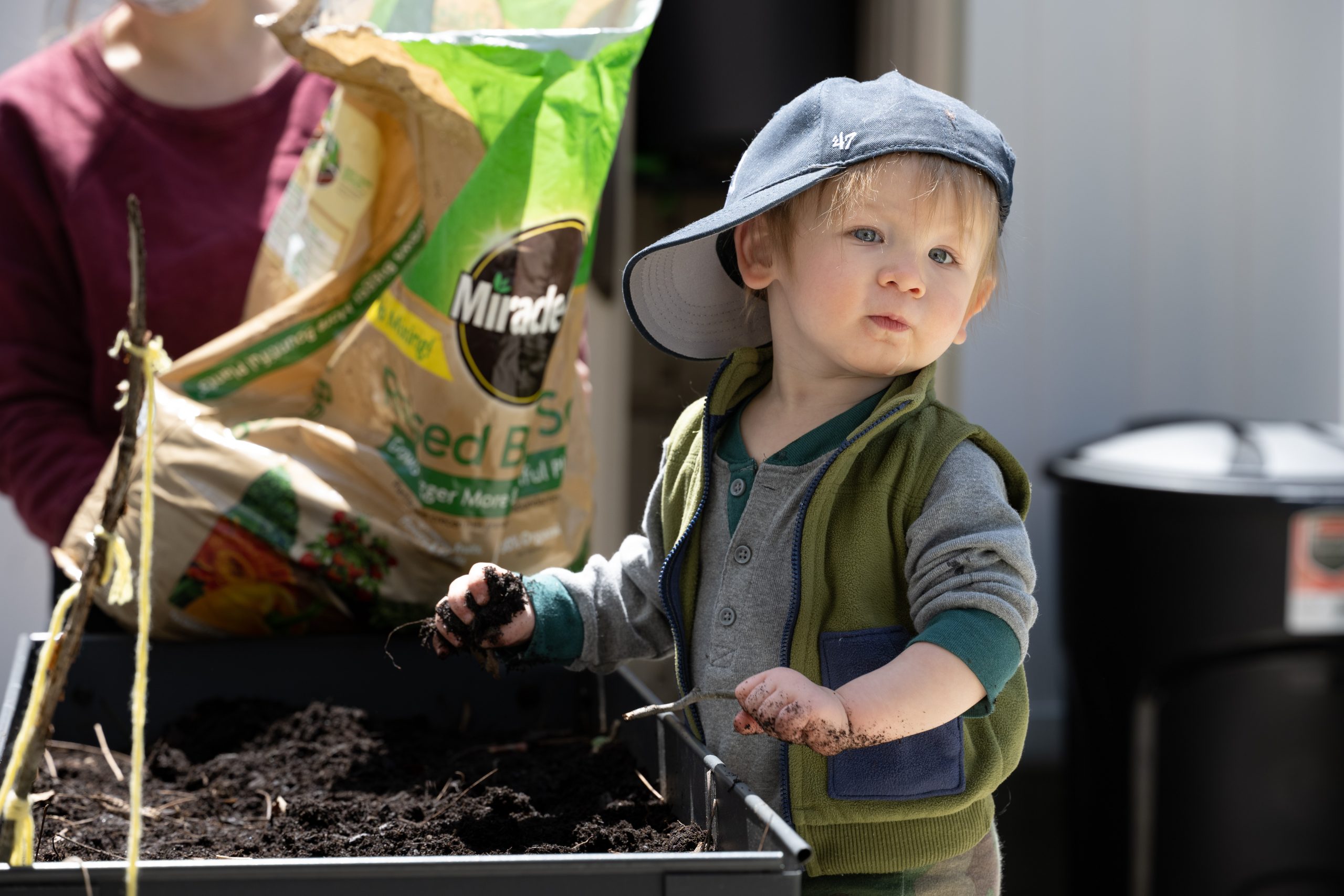
Kids have a natural curiosity and joy in the outdoors, and spending some time teaching them some basic gardening skills can lead to lifelong rewards and an appreciation for nature. It is possible to kindle an enthusiasm for gardening even if your children appear initially reluctant. Here are some ideas and tips.
Grow simple food
Growing everyday fruit and vegetables that you can use in the kitchen is a perfect way to teach your children about where food comes from. Even if you do not have a large garden, it is still perfectly possible to grow strawberries, tomatoes and green beans in tubs and containers.
Other vegetables that grow easily in most soil types include carrots, potatoes, courgettes, beetroot, and lettuce. If possible, create an area of the garden that the kids can call their own, and involve them in every stage of the process, from selecting and planting, to feeding, watering, pruning and harvesting.
You can also take the learning process a step further by involving them in cooking and preparing the harvested crops for meals or for storage.
Have a sunflower growing contest
Most kids love to compete with their siblings or friends, so a sunflower growing contest will give them plenty of incentive to feed and water their plants on a regular basis. Well looked after sunflowers can grow up to 2 metres tall. Start off the seeds in pots indoors in April, and transfer the plant to an outdoor plot in late May.
Create a wildlife refuge
Children are fascinated with the natural world, and attracting more wildlife to your garden will also help to protect your plants from pests and increase the biodiversity of the local area. There are lots of options to choose from, such as creating a small water feature, a bee hotel, or a hibernaculum for frogs and toads to shelter over winter.
If you have a naturally damp and low-lying area of garden that is currently underused, you could build a bog garden. These take less effort to maintain than a pond, but will attract a similar range of wildlife including frogs and toads, dragonflies and damselflies, bees, and butterflies.
If your children are still small, a bog garden is also a safer option than a full size pond. Once you have selected a site for the bog garden, dig out an area that is 30 cm to 45 cm in depth and line it with a butyl pond liner that has several drainage slits or holes. Refill the hole with the excavated soil and water thoroughly, preferably with collected rainwater.
Select a good mixture of water-loving plants and get your kids involved in the planting process. Adding some stepping stones in the bog garden will make it easier to access. Choose a mixture of tall growing plants to add shelter and flowering plants for a splash of colour.
Plants that thrive in semi-waterlogged soils include Marsh marigold, Meadowsweet, and Creeping Jenny.
If you are looking for groundworks in Lancashire, please get in touch with us today.